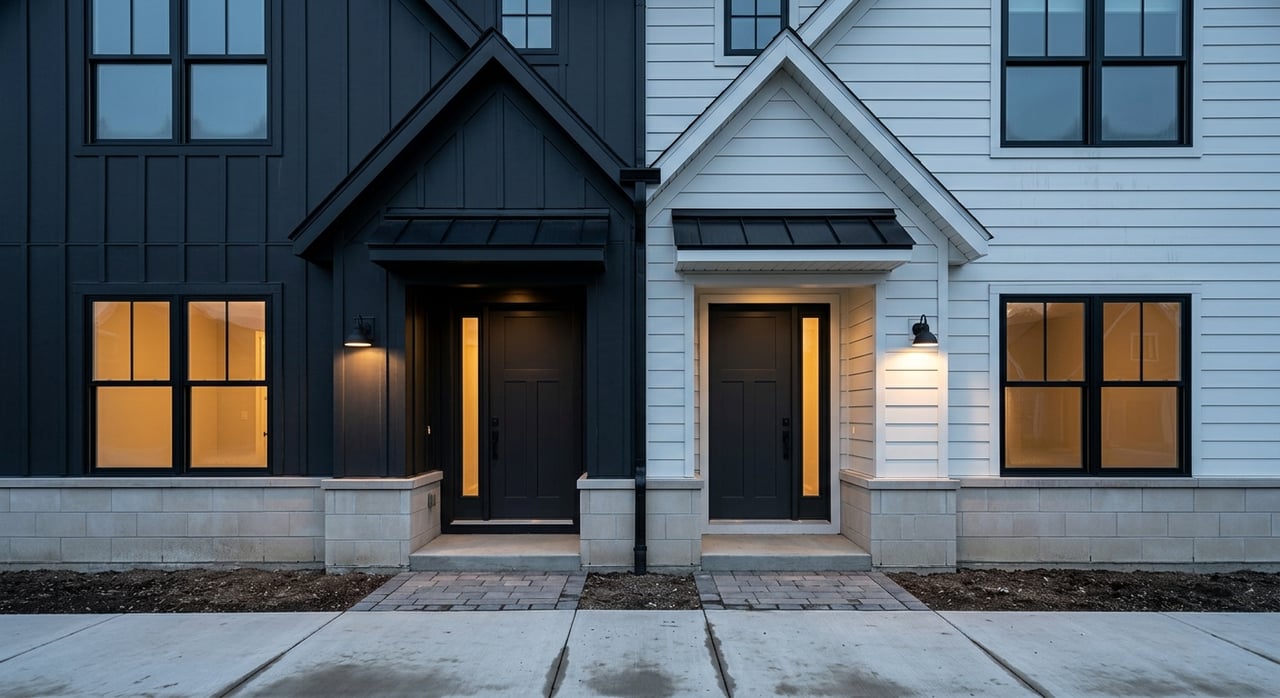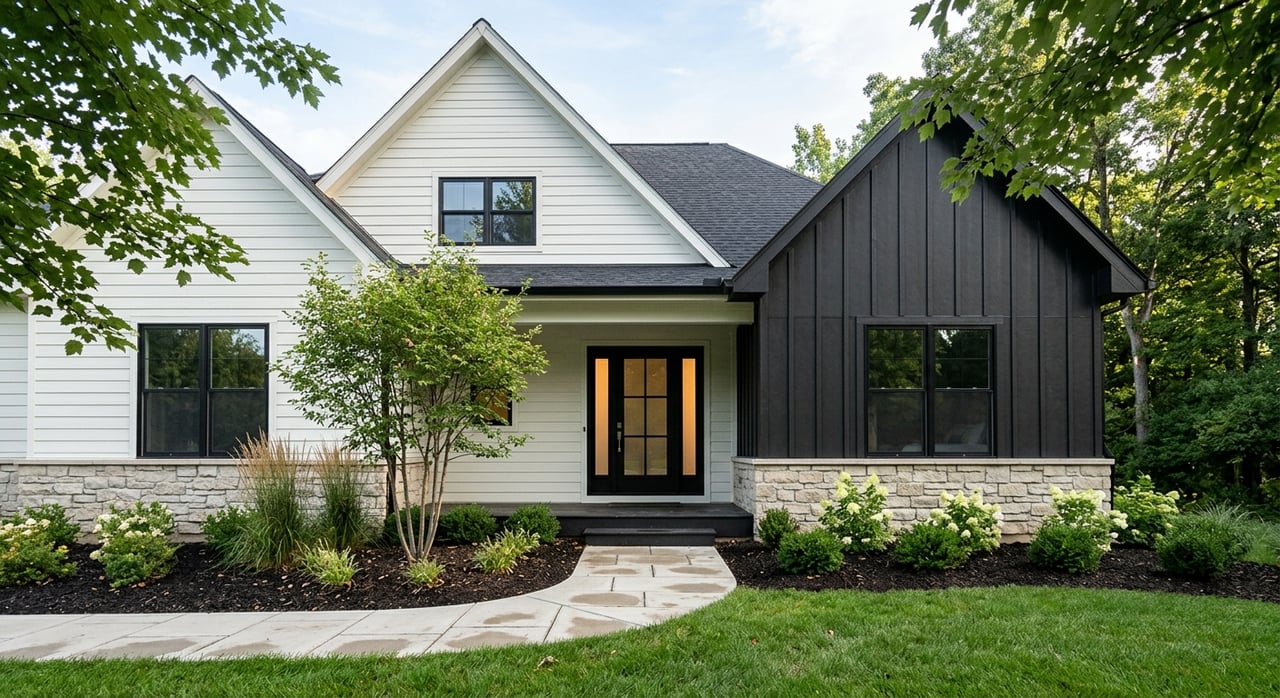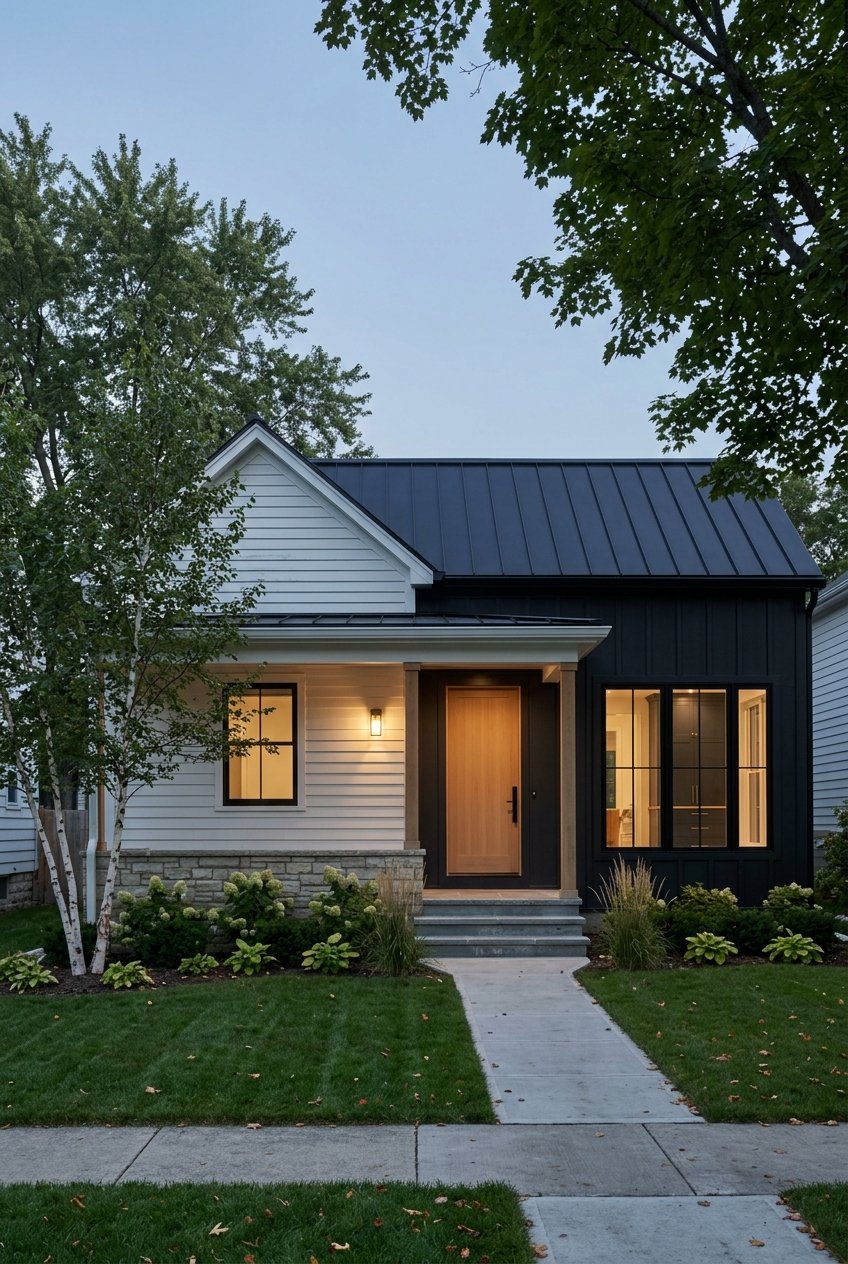
Looking for a home in Stillwater often means choosing between historic character and modern convenience. The good news is that in this city, you do not always have to pick one or the other. Stillwater offers a mix of older homes, newer construction, and thoughtful infill, giving you real options depending on your lifestyle, budget, and long-term plans. Let’s take a closer look at how historic homes and modern living come together in Stillwater.
Stillwater Has Old and New Homes
Stillwater’s housing stock tells an interesting story. The city’s 2025 community profile lists 8,326 housing units, with 26.5% built in 1939 or earlier. At the same time, 38.3% of homes were built in 1990 or later, while 6.4% were built in 2010 or later.
That means historic homes are still a major part of the local market, but they are not the whole picture. If you want a classic home with original details, you can find them here. If you prefer a newer layout, updated systems, or lower day-to-day maintenance, Stillwater also has more recent options.
For price context, the same 2025 profile estimates a median home value of $486,969 and an average home value of $538,102. That range matters whether you are comparing an older property with renovation needs or a newer home with more current finishes.
Historic Character Shapes Stillwater
Stillwater’s identity is closely tied to its older built environment. While the city has just one official historic district, the Downtown Commercial Historic District, residential history is still visible across many parts of town through neighborhood surveys, local recognition programs, and preserved streetscapes.
The city has documented neighborhood histories for 16 areas, including South Hill Original Town, North Hill Original Town, Greeley Addition, Dutchtown, and Holcombe District. These areas help tell the story of how Stillwater grew over time. If you are drawn to homes with a sense of place, this local history can be a major part of the appeal.
Stillwater also recognizes older homes through its Heirloom Homes and Landmark Sites program at an owner’s request. In other words, historic value in Stillwater is not limited to one district boundary. It often shows up in the architecture, lot patterns, and street rhythm throughout the city.
Architectural Styles You May See
Stillwater’s design guidelines describe a broad mix of residential styles, including:
- Vernacular 19th-century worker houses
- Greek Revival
- Italianate
- Gothic Revival
- French Second Empire
- Eastlake-Stick Style
- Queen Anne
- American Foursquare
Many early homes were modest 1 1/2-story wood structures on compact lots, often with limestone foundations. The city’s ravines and bluffline sites also influenced where some of the most notable homes were built.
For you as a buyer, that means the home search can feel more varied here than in neighborhoods built in a single era. Two homes on the same street may have very different styles, footprints, and update histories.
Modern Living Still Fits Stillwater
Even with its strong historic identity, Stillwater is not frozen in time. Newer construction and infill development are part of the housing mix, even if they make up a smaller share of total inventory.
Homes built in 2010 or later account for about 6.4% of housing units, and homes built in 1990 or later make up 38.3%. That suggests you may find neighborhoods or pockets of the city where modern floor plans, attached garages, larger primary suites, and newer mechanical systems are more common.
The city’s approach to design also supports contemporary living. Stillwater’s guidelines favor compatibility rather than imitation for new homes and additions. Instead of requiring every newer home to look old, the city emphasizes scale, roof form, setbacks, garage placement, and how a home fits the rhythm of the street.
What That Means for Buyers
If you want a newer home in Stillwater, you are likely looking for a property that feels current without feeling out of place. That local design approach can help preserve the look and feel of the street while still allowing modern layouts and updated features.
If you are considering an addition or renovation, this same mindset matters. In many cases, the goal is not to erase a home’s history but to make it more livable in a way that respects its surroundings.
What to Know About Historic District Rules
One of the biggest questions buyers ask is whether historic homes come with heavy restrictions. In Stillwater, the answer depends on where the property is located and what kind of work you want to do.
The city’s Downtown Commercial Historic District is the official local historic district, and exterior alterations there require design permit review. The city notes that changes such as exterior painting and signs are subject to review in that district.
For residential buyers, the city’s FAQ offers helpful clarity. It says local historic districts do not restrict the sale of property, do not require interior changes to be reviewed, and do not require owners to restore or improve a property. Exterior changes in a local historic district must follow preservation guidelines and receive approval, while routine repairs and maintenance are not the same as preservation review, though normal building permits may still apply.
Why This Matters Before You Buy
If you are shopping for an older home, it is smart to learn early whether the property falls within an area with special review requirements. That can affect your plans if you hope to repaint, replace exterior features, or make visible additions.
At the same time, these rules are often narrower than buyers expect. They do not stop a sale, and they do not mean you must fully restore a home the moment you move in.
Older Homes Need Ongoing Care
Historic homes can be rewarding, but they usually ask more of you in return. According to the National Park Service preservation guidance cited in the research, regular maintenance is the most cost-effective way to extend a building’s life.
That is especially true for older roofing, moisture management, exterior materials, and drainage. The same guidance highlights routine inspections, roof upkeep, downspout extensions, moisture control, and lead-paint safety as recurring concerns for older buildings.
This does not mean every older home is a money pit. It means you should go in with clear expectations. Character often comes with maintenance, and deferred care can turn small issues into larger repairs.
Smart Questions to Ask
When you tour an older home in Stillwater, consider asking about:
- Roof age and recent repairs
- Drainage around the foundation
- Moisture issues in lower levels
- Exterior paint condition
- Window condition and maintenance history
- Any updates to plumbing, electrical, or mechanical systems
Preservation standards also allow for sensitive upgrades to systems such as mechanical, electrical, and plumbing where needed for contemporary use and code-related work. That can be encouraging if you love an older home but want practical function too.
Value Is About More Than Age
When buyers compare older and newer homes, value is not just about square footage or finish level. In Stillwater, it is also tied to character, continuity, upkeep, and location within the broader historic landscape.
The city’s FAQ says local historic districts are intended to preserve community character and encourage reinvestment. It also notes that designation can help maintain neighborhood property values, and that properties in historic districts are taxed no differently, because property taxes are tied to real estate value rather than historic status.
That is an important distinction. A historic property may carry value because of its setting, design, and long-term appeal, but you still want to evaluate the home’s condition and likely maintenance costs with clear eyes.
Researching a Home Before You Buy
If you are serious about an older property, research can make you a smarter buyer. Stillwater provides several resources that can help you understand a home’s background before you purchase or renovate.
The city’s heritage preservation resources point buyers and owners to neighborhood histories, walking tours, house-history materials, the St. Croix Collection, the Washington County Historical Society, the Minnesota Digital Library historic photographs, and Sanborn maps. These tools can help you learn how a home fits into the city’s story and whether its current condition lines up with its past.
For some buyers, that history deepens the connection to the property. For others, it simply helps them plan better for future updates and maintenance.
How to Choose the Right Fit
In Stillwater, the best home for you depends on what you value most in daily life. Some buyers are willing to take on maintenance in exchange for original millwork, a bluffside setting, or a walkable historic streetscape. Others want a more turnkey home with newer systems and a layout built for modern routines.
Neither choice is automatically better. The key is matching the home to your goals, your budget, and your comfort with maintenance, updates, and long-term stewardship.
If you are weighing a vintage home against a newer one, it helps to compare them through a few simple lenses:
- Upfront purchase price
- Expected maintenance costs
- Renovation flexibility
- Layout and storage needs
- Exterior review requirements, if any
- Long-term resale appeal
A thoughtful home search in Stillwater should consider both the emotional side and the practical side. That is where local market insight can make a real difference.
If you want help sorting through Stillwater’s mix of historic homes, newer construction, and everything in between, Kyle Babcock can help you compare options, understand the local market, and move forward with confidence.
FAQs
How old are many homes in Stillwater, MN?
- Stillwater has a significant share of older housing, with 26.5% of homes built in 1939 or earlier, though the city also has many homes built in 1990 or later.
Are historic homes in Stillwater heavily restricted?
- Not always. The city says local historic districts do not restrict property sales, do not require interior changes to be reviewed, and do not require owners to restore or improve a property, though some exterior changes may need approval.
Does Stillwater have a residential historic district?
- Stillwater’s official historic district is the Downtown Commercial Historic District. Residential history is recognized through neighborhood histories, walking tours, and local recognition programs rather than a citywide residential historic district.
Can older Stillwater homes be updated for modern living?
- Yes. Preservation guidance allows sensitive upgrades to systems like mechanical, electrical, and plumbing when needed, and the city’s design approach supports contemporary use while respecting surrounding context.
What should buyers watch for in an older Stillwater home?
- Buyers should pay close attention to maintenance items such as roofing, moisture control, drainage, exterior condition, and the age or condition of major systems.
Where can buyers research a historic home in Stillwater?
- Buyers can use the city’s heritage preservation resources, neighborhood histories, walking tours, archival collections, historic photographs, and Sanborn maps to learn more about a property’s background.