Picture yourself starting the day with river views, a quick coffee run downtown, and an evening walk along a historic streetscape. If that sounds like your pace, Stillwater might be on your short list. You want a place with small-city charm, outdoor access, and an easy connection to the Twin Cities. In this guide, you will learn how Stillwater lives day to day, what neighborhoods feel like, how people get around, and what to consider before you buy. Let’s dive in.
Stillwater at a glance
Stillwater sits on the Minnesota side of the St. Croix River in Washington County, serving as a commercial and cultural hub for the St. Croix Valley. The population is roughly in the high teens thousands based on 2020 Census data. Downtown hugs the river and bluffs, with neighborhoods rising west and north into rolling farmland and woodlands. The result is a distinct blend of river views, bluff-top streets, and varied lot sizes.
Stillwater is known for a historic downtown, independent shops and restaurants, and a strong riverfront identity. You get the feel of a classic Midwestern river city with direct access to the Twin Cities’ job centers to the west.
Neighborhoods and housing
Historic core character
Downtown and the nearby streets include 19th and early 20th century homes. You will see Victorian and Queen Anne styles alongside Craftsman bungalows on walkable blocks with smaller lots. Many properties carry historic designation or fall within conservation areas. The character is preserved through local design review, which is helpful for long-term value but can add steps to larger exterior changes.
Riverfront and bluff living
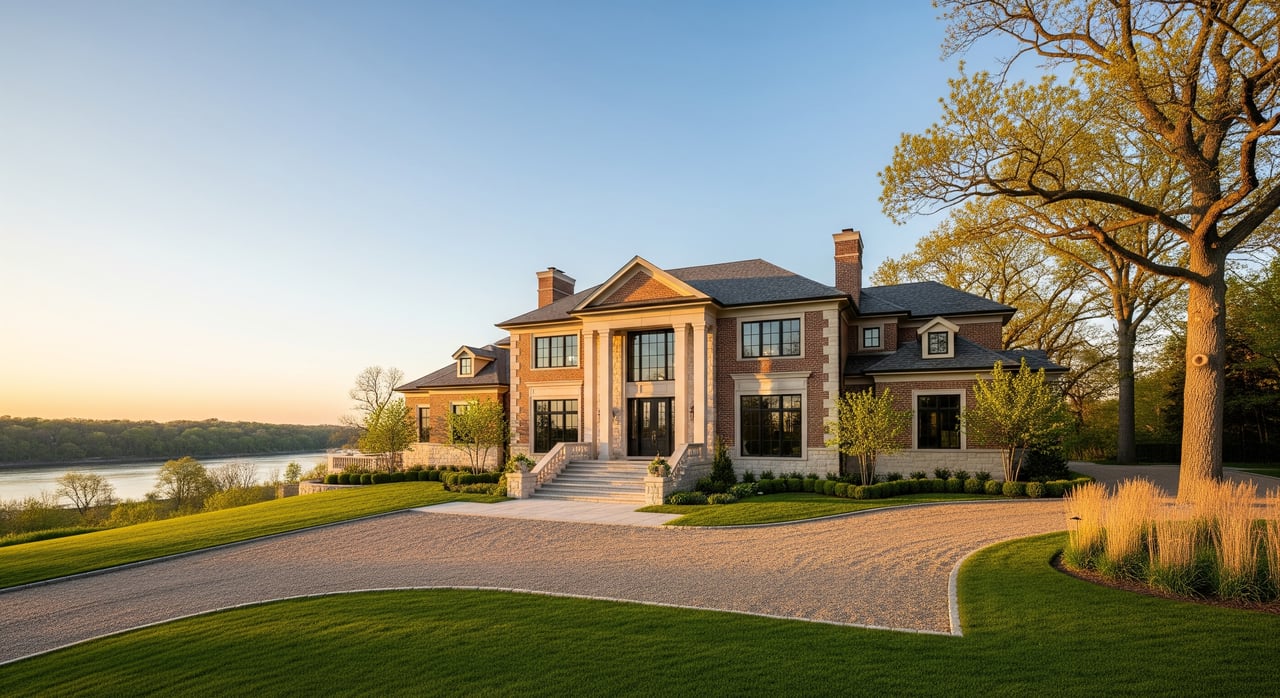
Single-family homes along the river and bluffs often feature terraces, larger lots, and striking views. These properties are typically in higher demand and can command a premium. Shoreland zoning and bluff protections help safeguard scenery and river health. They can also add setbacks, stormwater rules, and other standards that shape renovations and new work.
Suburban and newer developments
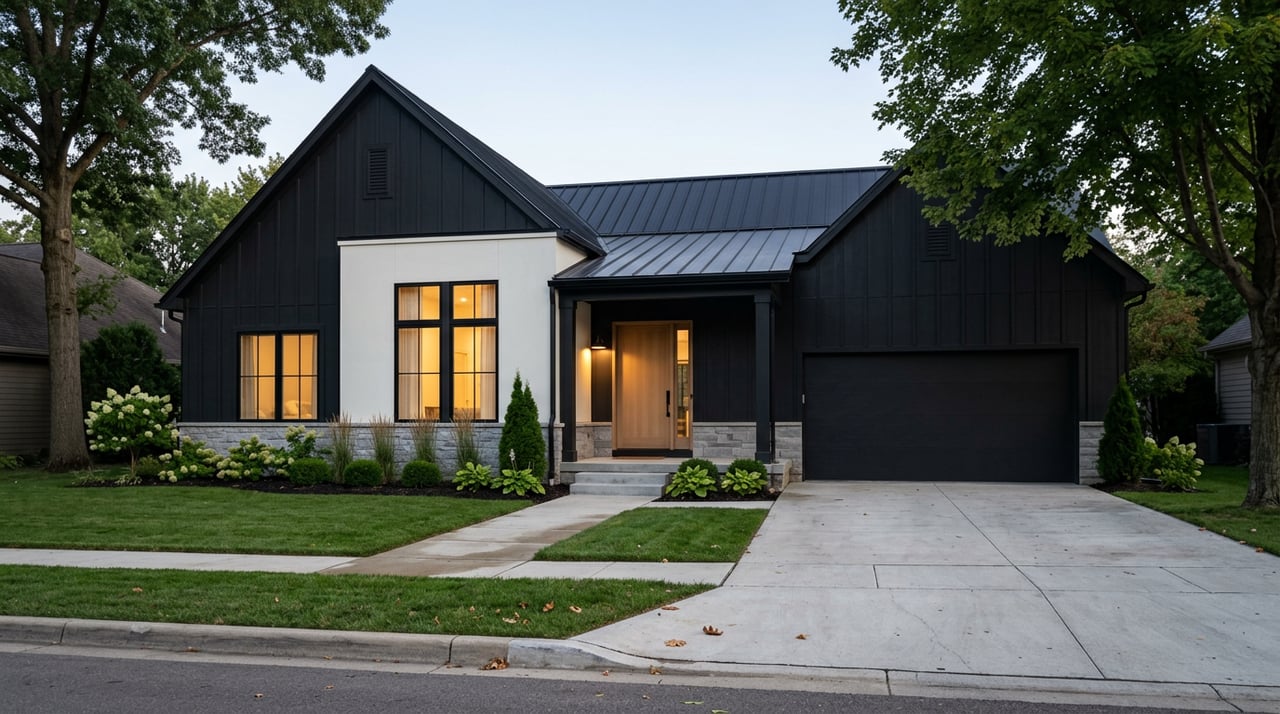
Outside the core, you will find traditional suburban subdivisions, townhomes, and some infill building. New construction tends to show up on the outskirts or in recently annexed parcels. The overall mix leans toward single-family homes, with a smaller supply of condos and apartments when compared with larger metro areas.
Pricing signals to watch
Stillwater’s riverfront appeal, historic housing, and Twin Cities access generally keep values above many rural communities and often near or above the Minnesota median. Prices vary widely by neighborhood, age, and proximity to the river. Listings usually see a seasonal bump in spring and summer. For up-to-date numbers, review current median sale price, days on market, and inventory through the local MLS and Washington County records.
Downtown and daily life
Shopping and dining
Downtown Stillwater is packed with independent boutiques, antique shops, galleries, breweries, wineries, and restaurants. You can run daily errands, enjoy a patio meal, and find unique gifts in a few walkable blocks. It is a lively scene that stays busy on weekends, especially in warmer months.
Culture and riverfront parks
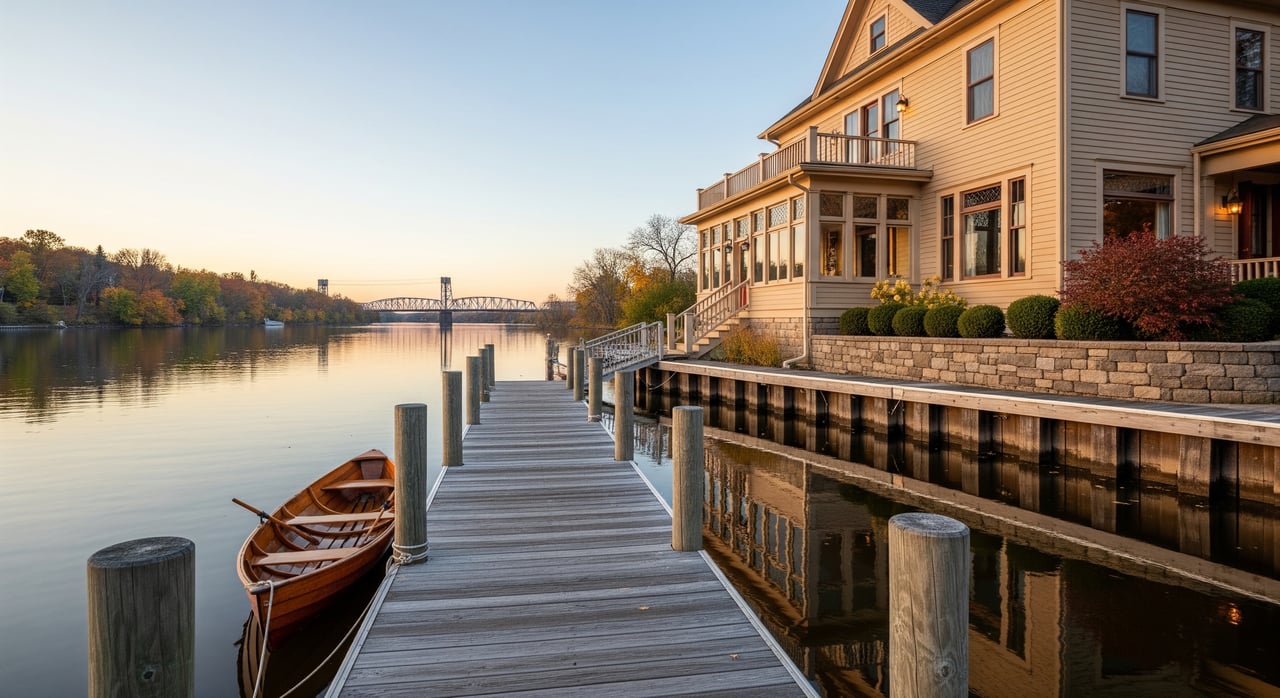
The core includes historic municipal buildings, a courthouse, and small museums with regular cultural programming. The riverfront offers parks, promenades, and boat landings, so you can watch the river traffic or launch a paddleboard. The setting makes casual evening strolls and festivals a regular part of life.
Everyday services
You will find grocery options and professional services in town. For big-box retail or specialty shopping, many residents drive to nearby Twin Cities suburbs. This balance keeps Stillwater’s downtown focused on local experiences while larger centers handle the broader retail needs.
Parks, trails, and seasons
St. Croix River recreation
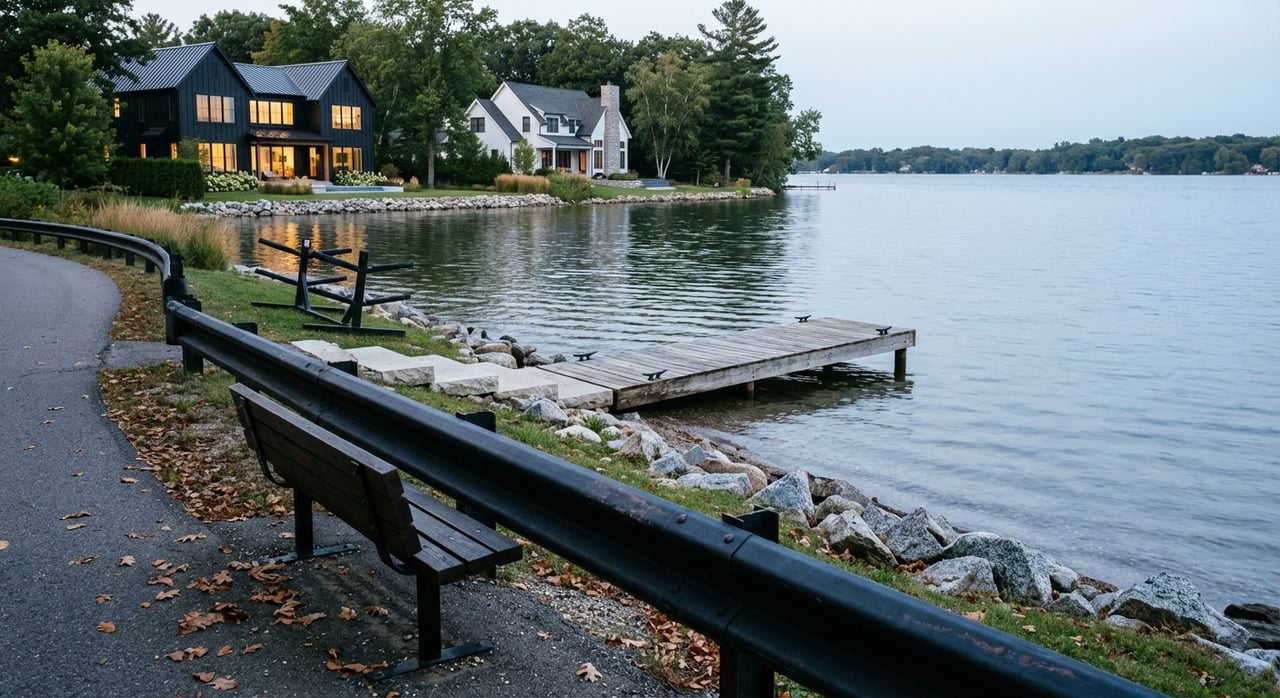
The St. Croix is central to the local lifestyle. Residents enjoy paddling, boating, fishing, and seasonal riverside activities. Portions of the corridor are protected as a scenic river, which keeps heavy commercial development in check and preserves public recreation access.
Trails and local parks
Brown’s Creek State Trail connects downtown to regional routes and nearby communities, making walking, running, and bicycling an easy part of the routine. City and county parks provide playgrounds, picnic areas, and scenic overlooks across neighborhoods. The trail network helps you move without a car for errands and recreation.
Winter activities
Winters bring cross-country skiing, snowshoeing, snowmobiling, and ice fishing, with regional winter festivals close by. You can stay active all year with short drives to popular trailheads and seasonal events.
Getting around
Roads and river crossings
State and county roads link Stillwater to neighboring suburbs and the broader metro. Two corridors matter most for orientation: MN 95 runs north to south along the St. Croix, and local connections tie into east to west highways toward St. Paul and Minneapolis. The historic Stillwater Lift Bridge now serves primarily pedestrians and cyclists, while the St. Croix Crossing bridge, opened in 2017, carries vehicle traffic across the river.
Commutes and transit
Many residents commute to St. Paul, Minneapolis, and nearby suburbs. Typical drive times to central St. Paul fall in the 30 to 45 minute range depending on traffic and final destination. Fixed-route transit within the city is limited compared with inner-ring suburbs. Express bus and park-and-ride options exist in the region but run less frequently. The Rush Line Corridor has been studied to improve regional connections. For updates, check current service details with regional transit agencies.
Walking, biking, and parking
Downtown is very walkable and bike friendly, especially with the converted Lift Bridge and trail network. Parking is generally manageable but can tighten during peak tourist periods. On-street spaces, municipal lots, and limited garages help balance demand.
Schools and services
Public education is provided by Stillwater Area Public Schools, ISD 834, which includes a local high school and several elementary and middle schools. The district is recognized regionally. Always confirm current attendance boundaries and performance metrics through official district resources. Primary care and outpatient services are available in town, with many residents using Twin Cities hospitals and regional health centers for specialized care. Police, fire, utilities, and planning services are provided by the City of Stillwater.
Is Stillwater a fit for you
You might love Stillwater if you want a small-city feel with a strong sense of place, an active downtown, and year-round outdoor access. Families often appreciate the district’s reputation and the mix of neighborhood options. If your priorities include a short urban commute, frequent public transit, or high-density living, you may find other parts of the metro a better fit.
Pros
- Distinctive historic character and river scenery
- Walkable downtown with independent businesses
- Strong park and trail network, including Brown’s Creek State Trail
- Community events and seasonal activities
- Access to Twin Cities jobs and services
Cons
- Weekend tourism can increase traffic and reduce parking
- Limited transit compared with inner suburbs
- River and bluff geography can add maintenance and development constraints
- Winter weather affects driving and outdoor access
Buyer checklist
- Visit in multiple seasons to compare summer tourism and winter conditions.
- Tour target neighborhoods on weekdays and weekends for traffic and noise.
- Confirm school boundaries and current performance with ISD 834.
- Ask about historic-district rules that could affect exterior changes.
- Review floodplain, shoreland, and bluff stability maps for river-adjacent homes and discuss insurance.
- Use the local MLS and Washington County assessor records to review comparable sales and tax trends.
Smart next steps
If Stillwater feels like your kind of place, the next move is to match neighborhoods and housing types with your budget and lifestyle. Our team combines neighborhood-level insight with the systems and reach of a modern brokerage, so you can move confidently. From curated searches to on-the-ground tours, we will guide you through every step. Ready to explore homes or talk strategy? Connect with Kyle Babcock to schedule a free consultation.
FAQs
What is the lifestyle like in downtown Stillwater
- Expect a walkable core with independent shops and restaurants, lively spring through fall weekends, and easy access to riverfront parks and trails.
How long is the commute to St. Paul from Stillwater
- Many residents report 30 to 45 minute drive times to central St. Paul depending on exact location and traffic.
Are there condos or townhomes in Stillwater
- Yes, but the market is mostly single-family homes, so condo and apartment supply is limited compared with larger metro areas.
What should I know about historic districts before renovating
- Some neighborhoods have design review that preserves character; plan for approvals and consult local guidelines before exterior changes.
How busy does Stillwater get in summer
- Tourism picks up in late spring through early fall, which boosts downtown energy and can tighten parking on weekends.
What outdoor recreation is close by
- The St. Croix River supports boating and paddling, Brown’s Creek State Trail links to regional routes, and winter brings skiing, snowshoeing, and ice fishing.