Buying your first home in Brooklyn Park can feel exciting and overwhelming at the same time. You want a home that fits your budget, commute, and day-to-day life, but you also do not want to make a rushed decision in a competitive market. The good news is that with the right prep, a clear plan, and local insight, you can shop with more confidence. Let’s dive in.
Why Brooklyn Park Appeals to First-Time Buyers
Brooklyn Park offers a mix of affordability, housing variety, and daily convenience that many first-time buyers are looking for. The city has more than 86,000 residents, about 30,000 jobs, nearly 2,000 acres of parkland, and 120 miles of trails, according to the City of Brooklyn Park.
That combination matters when you are choosing where to put down roots. You are not just buying a house. You are also choosing your commute patterns, nearby amenities, and the kind of lifestyle you want over the next several years.
What Homes Cost in Brooklyn Park
If you have seen different home values online, you are not imagining it. Recent data points vary by source, but they tell a similar story: Brooklyn Park is generally a roughly $300,000 to $340,000 market overall.
For example, Redfin market data reported a February 2026 median sale price of $298,700. Zillow reported a February 2026 typical home value of $343,447 and a January 31, 2026 median sale price of $338,000. Because those numbers come from different methods, it is smarter to think in terms of a price range instead of one exact figure.
Expect a Competitive Market
Brooklyn Park is not a market where you can always wait around for the perfect home to sit. Redfin described the city as very competitive, while Realtor.com and Zillow each reported a 100% sale-to-list ratio in recent snapshots.
Homes have also been moving in about 40 to 64 days depending on the source and reporting period. For you, that means preparation matters. If you find the right home, you want your financing, timeline, and decision-making process ready to go.
Housing Types You Will See
Brooklyn Park has a housing mix that works well for first-time buyers because it is not limited to one property type. The city’s 2040 Comprehensive Plan explains that earlier development included many single-family ramblers, while later decades added more townhomes and apartment-style housing.
Today, that means you may find:
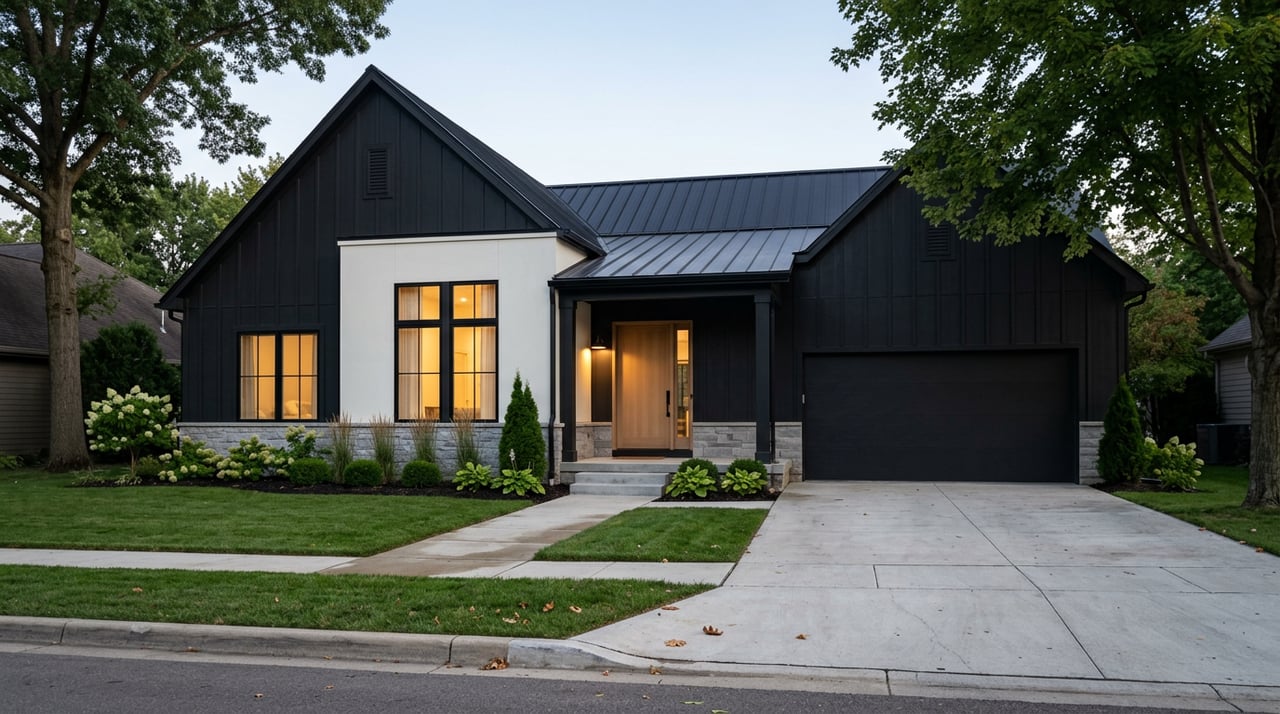
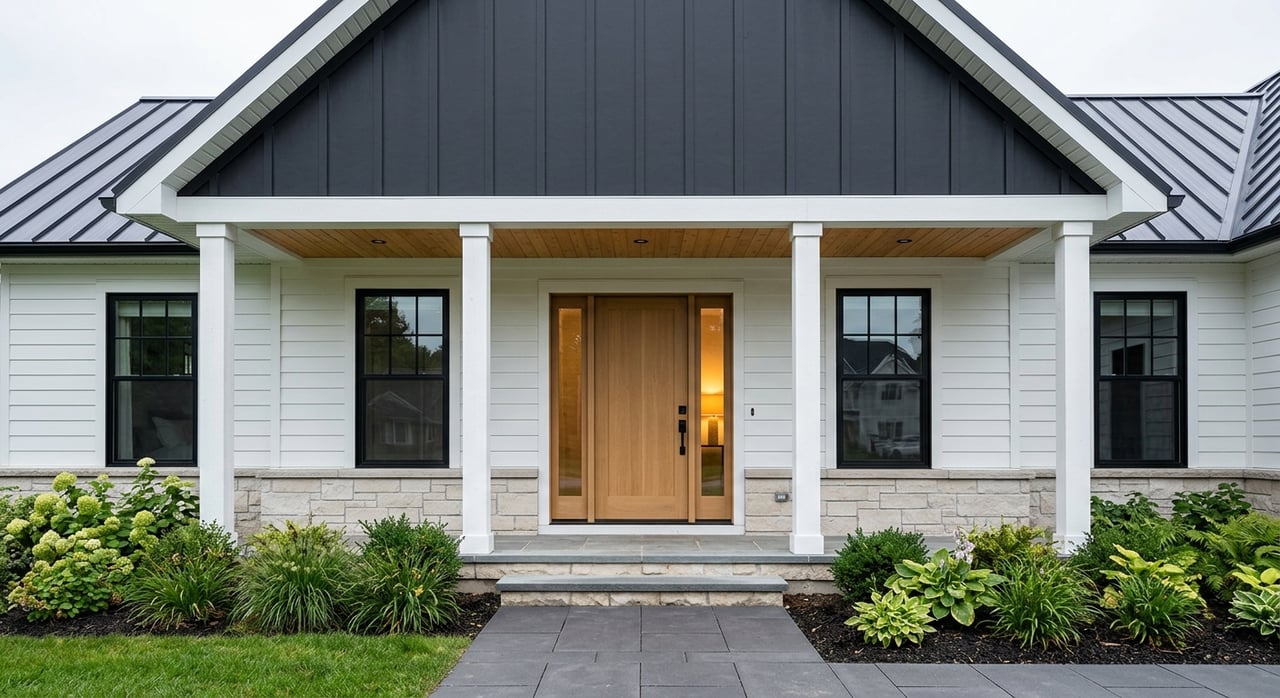
- Older single-family homes with established layouts
- Townhomes that may offer a lower-maintenance option
- Multifamily and condo-style choices in some areas
- Newer single-family and townhome developments in select parts of the city
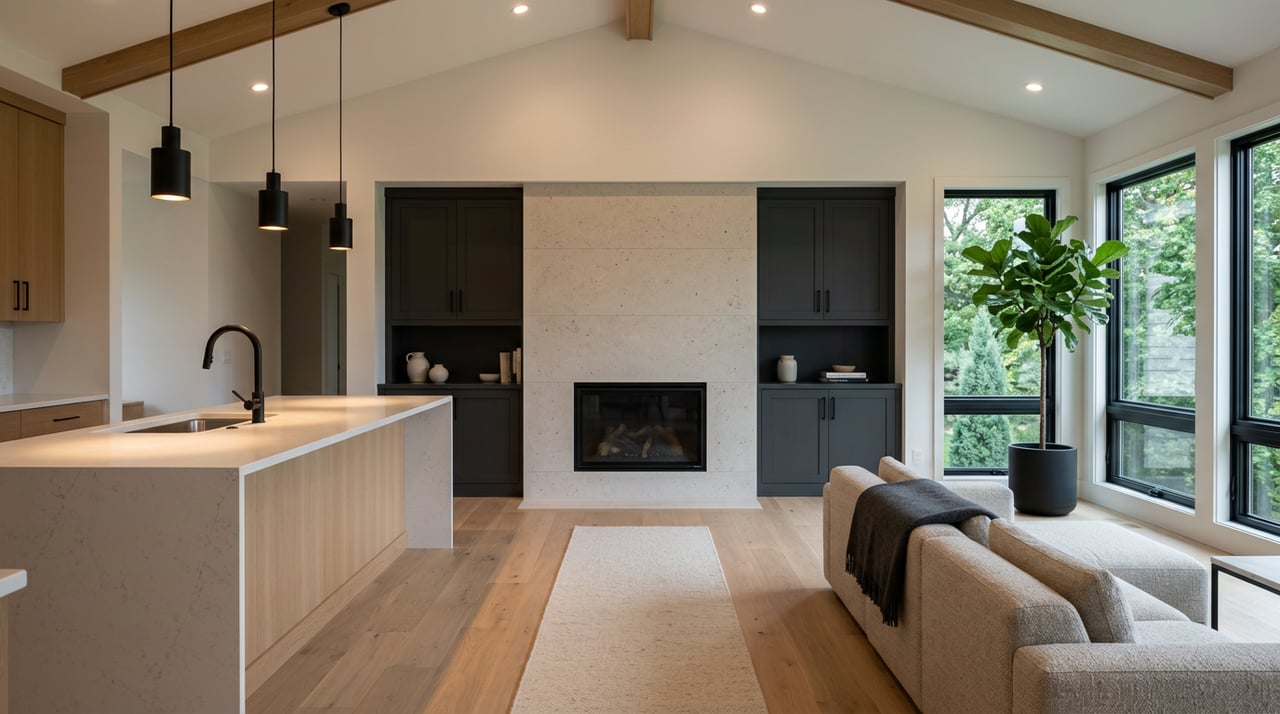
This variety gives you more ways to match your budget to your lifestyle. If you want more space, an older single-family home may be worth a look. If you want a simpler maintenance routine, a townhome may fit better.
Why Neighborhood Comparison Matters
Brooklyn Park is not one uniform market. The city’s Economic Development Authority reports that it has 31 established neighborhoods, which is a good reminder that your experience can vary a lot from one area to another.
That is why first-time buyers should compare homes by both price tier and location practicality. A lower price point may help your monthly payment, but a different area may better support your commute or daily routine.
Entry-Level to Higher Price Ranges
According to Zillow neighborhood home value estimates, Brooklyn Park neighborhoods show a broad spread in values. These figures are best used as relative comparisons, not exact offer targets.
Here is a simple way to think about the tiers:
| Price Tier | Example Neighborhoods | Approx. Zillow Values |
|---|---|---|
| Entry-level | Candlewood, Central | $258,180 to $279,168 |
| Mid-range | Park Center, Birch Grove, Shingle Creek | $314,724 to $332,391 |
| Higher-end | Tessman, Founders, Trinity Gardens, Edinburgh | $366,982 to $418,863 |
If you are buying for the first time, this kind of comparison can help you narrow your search faster. You may decide to start in an entry-level or mid-range area to keep more room in your budget for closing costs, repairs, or future goals.
Think About Commute and Transit Early
Price matters, but so does how you move through your week. Brooklyn Park has existing transit service and is also part of the planned Blue Line Extension corridor, which makes commute planning an important part of your home search.
Current Metro Transit Route 724 connects Brooklyn Center Transit Center with Brooklyn Park stops including Starlite Transit Center, Target Northern Campus, North Hennepin Community College, Oak Grove Parkway, 85th Avenue, Brooklyn Boulevard, and Zane Avenue.
Metro Transit also launched Route 725 in December 2025. It connects Osseo, Brooklyn Park, Coon Rapids, and Blaine, serving Hennepin Technical College, Brooklyn Park Library, North Hennepin Community College, Starlite Transit Center, and Northtown Transit Center seven days a week.
Transit Corridors to Watch
The planned METRO Blue Line Extension is expected to run 13.4 miles from Target Field Station to Brooklyn Park with 13 stations. Key Brooklyn Park destinations named in project materials include North Hennepin Community College and Target North Campus at Oak Grove.
For first-time buyers, this makes areas near Oak Grove Parkway, 85th Avenue, and West Broadway especially worth a closer look when commute convenience is a priority. Still, the right fit depends on the exact home, your work pattern, and how you actually travel day to day.
How to Prepare Before You Start Shopping
The smartest first-time buyers do a lot of work before the first showing. That prep can help you move faster and with less stress once you find a home you like.
The Consumer Financial Protection Bureau recommends checking your credit early and building your loan application packet before you begin house hunting. This can help you catch errors, understand your real budget, and avoid last-minute surprises.
A Simple Pre-Shopping Checklist
Before touring homes, try to:
- Review your credit reports early
- Gather income, asset, and tax documents
- Build a realistic monthly spending plan
- Decide how much cash you want to keep in reserve
- Talk with a lender about preapproval options
You do not need to know every answer on day one. You just want enough clarity to shop with purpose instead of guessing.
First-Time Buyer Programs to Know
One of the biggest advantages for first-time buyers in Minnesota is access to assistance programs that can help reduce upfront cash needs. If down payment and closing costs feel like the main obstacle, these options may be worth exploring with a participating lender.
Minnesota Housing Options
Minnesota Housing offers the Start Up program for first-time buyers who have not had an ownership interest in a principal residence within the last three years. Current guidelines list income limits up to $152,200, acquisition cost limits up to $659,550, and down-payment loans up to $18,000.
If all borrowers are first-time buyers, at least one borrower must complete an approved homebuyer education course before closing. Minnesota Housing also offers the Step Up program for buyers who exceed Start Up income limits, with down-payment loans up to $14,000.
Hennepin County Assistance
Hennepin County also offers a Homebuyer Assistance Program with forgivable deferred loans. The program provides up to $35,000 for households at or below 60% of area median income and up to $20,000 for households at 61% to 80% of area median income.
The county says this program is for first-generation buyers and requires qualified homebuyer training. If you think you may qualify, it is worth asking about this early because assistance paperwork can affect your timeline.
What to Do After You Find a Home
Once your offer is accepted, the process speeds up. This is the stage where inspections, disclosures, financing details, and closing tasks all start to overlap.
The CFPB advises buyers to schedule an independent home inspection as soon as possible, attend if they can, and use the inspection contingency to renegotiate or cancel if serious issues appear. In Brooklyn Park, this is especially important because sellers are no longer required to obtain a point-of-sale housing inspection, even though the city still conducts rotating proactive neighborhood inspections every three years, according to the city’s homeowner resources page.
Do Not Skip Radon Testing
Minnesota law requires sellers to disclose known radon information and provide the state publication on radon in real estate transactions. The Minnesota Department of Health statute summary also supports what MDH recommends more broadly: buyers should get an indoor radon test before purchase or occupancy because testing is the only way to know radon levels in a home.
For many buyers in Minnesota, the best time to handle this is during the inspection period. That gives you more information while you still have room to negotiate.
A Practical Brooklyn Park Buying Timeline
If you want to keep the process simple, use this sequence as your guide:
- Before shopping: Check credit, gather documents, and create a spending plan.
- During your search: Get preapproved and compare homes by price range, location, and commute route.
- After acceptance: Schedule the home inspection right away and consider radon testing.
- Before closing: Confirm repair credits, finish assistance paperwork, and verify wiring instructions directly.
That last step matters more than many buyers realize. The CFPB warns that buyers should watch for scams targeting closing funds and verify wiring instructions with trusted contacts.
Final Thoughts for First-Time Buyers
Brooklyn Park gives first-time buyers a lot to work with: a broad mix of homes, a market that is still more approachable than many higher-priced areas, and assistance programs that may lower your upfront costs. At the same time, it is still a competitive market, so having a local strategy matters.
If you want help comparing neighborhoods, planning your search around budget and commute, or building a smart first-time buyer game plan, connect with Kyle Babcock. You will get clear guidance, responsive support, and a more confident path toward your first home.
FAQs
What is the typical home price range for first-time buyers in Brooklyn Park, MN?
- Brooklyn Park is best described as a roughly $300,000 to $340,000 market overall, though some neighborhoods trend lower and others higher.
Are there first-time homebuyer assistance programs available in Brooklyn Park, MN?
- Yes. Eligible buyers may explore Minnesota Housing programs such as Start Up and Step Up, as well as Hennepin County’s Homebuyer Assistance Program.
How competitive is the Brooklyn Park, MN housing market for buyers?
- Recent data shows Brooklyn Park remains competitive, with sale-to-list ratios around 100% and homes often moving in roughly 40 to 64 days.
What types of homes can first-time buyers find in Brooklyn Park, MN?
- You can find a mix of older single-family homes, townhomes, and some multifamily-style housing, which gives buyers several options at different price points.
Do buyers need a home inspection in Brooklyn Park, MN?
- Yes. Buyers should arrange their own independent home inspection because sellers are no longer required to get a point-of-sale housing inspection.
Should first-time buyers test for radon when buying a home in Brooklyn Park, MN?
- Yes. Minnesota recommends radon testing during real estate transactions because testing is the only way to know the radon level in a home.