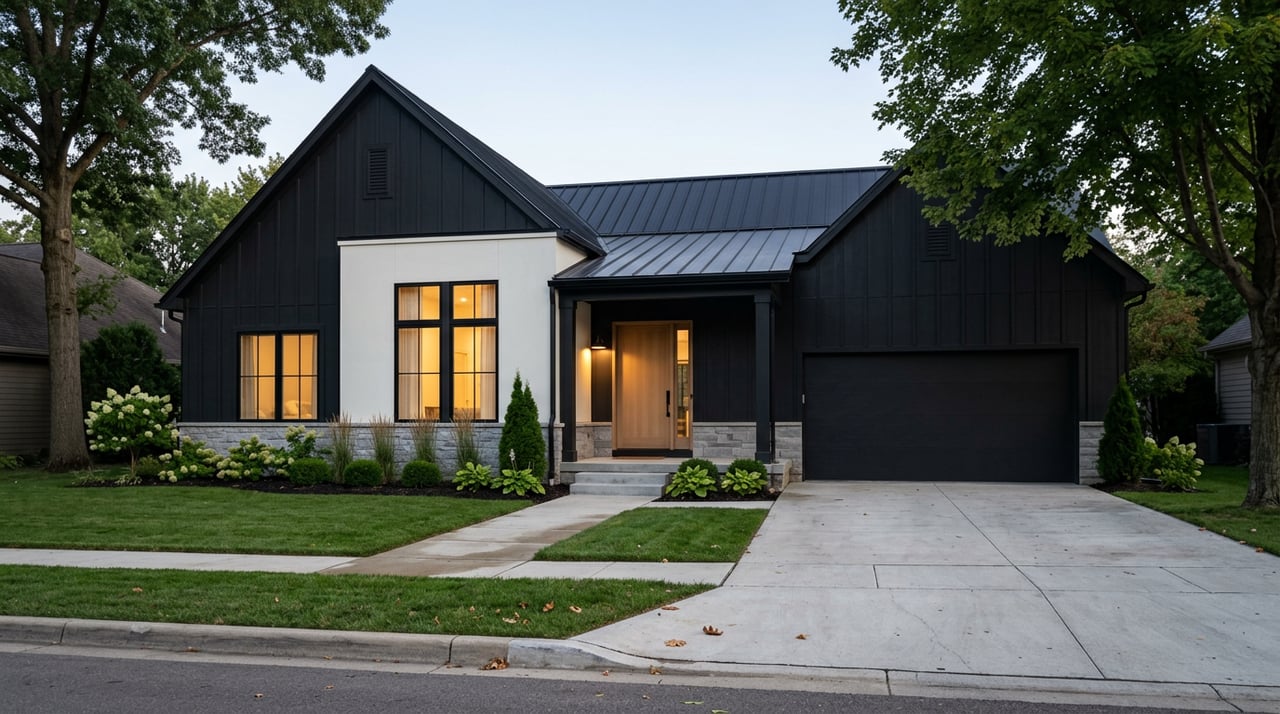
Craving more space without giving up your Mendota Heights lifestyle and easy commute? You are not alone. Many homeowners here want a larger yard, extra bedrooms, or upgraded finishes while staying close to St. Paul, Minneapolis, and MSP. In this guide, you will learn how to plan a low-stress move-up: market context, financing paths, sequencing options, permits, and a realistic timeline. Let’s dive in.
Mendota Heights market at a glance
Mendota Heights sits above many Twin Cities suburbs on price. Redfin shows a recent median sale price around $429,000 for February 2026, while Zillow’s ZHVI typical value is about $551,386. These figures use different methods, so they rarely match. Because the city is small and monthly numbers swing, plan with rolling 6 to 12 month medians and a property-specific analysis.
Property taxes matter as you move up. The city’s 2026 levy packet cites a median market value of about $551,000 and a modest rise in the city portion of property tax year over year. Review the city’s examples in the Mendota Heights budget and levy packet to see how assessed value and the city levy flow into annual costs.
Staying local protects your commute. Data USA reports an average travel time of about 19.6 minutes for Mendota Heights residents. You are typically within minutes of St. Paul, a short drive to Minneapolis, and close to MSP. That proximity makes cross-market home shopping practical without adding time to your day. See Data USA’s Mendota Heights profile for commute context.
Step 1: Know your equity and net
Start with the two numbers that drive every move-up plan: likely sale price and your mortgage payoff. Order a current competitive market analysis and request a payoff statement from your lender. With those, your agent can create a seller net sheet that estimates closing costs, taxes, and net proceeds so you can set a realistic budget for your next purchase.
Longer seller tenures today mean many homeowners have usable equity. NAR’s recent seller and buyer report highlights that typical tenures have increased, which often boosts equity and flexibility for bridge options or a sale-first plan. Review the tenure trends in NAR’s highlights report and confirm your own position with that net sheet.
Quick tax reminder: many sellers can exclude up to $250,000 in gain if single or $500,000 if married filing jointly when selling a primary residence, subject to ownership and use tests. Review the details and exceptions in IRS Publication 523, and speak with a tax advisor for your exact calculation.
Step 2: Choose your sequencing strategy
Sell first, then buy
Selling first reduces risk. You will know your exact net proceeds and can make a strong, non-contingent offer on your next home. The tradeoff is temporary housing or a short rent-back from your buyer to bridge the gap between closings.
Buy first with bridge or HELOC
If you want to secure the right home before listing, a short-term bridge loan or a home equity line of credit can fill the down payment gap. A Bankrate explainer on bridge loans outlines how these loans work, typical equity requirements, and costs. For HELOC basics, the CFPB’s HELOC guide explains draw periods, variable rates, and repayment planning.
Make a contingent offer
A sale contingency protects you if you need proceeds from your current home. Sellers may accept it when terms are favorable or the segment is softer. Many listings use a kick-out clause, which lets the seller continue marketing and gives you a short window, often 72 hours, to remove the sale contingency if another offer appears. See context on risks and timelines in Rocket Mortgage’s overview of contingent-offer fall-through rates.
Financing options at a glance
Use your equity, timeline, and risk tolerance to choose the right path.
| Option | Best when | Pros | Watch-outs |
|---|---|---|---|
| Bridge loan | You need to buy before selling in a tight market | Non-contingent offer strength, timing flexibility | Higher rates and fees, short terms, requires solid equity and exit plan |
| HELOC | You have strong equity and want flexible funds | Lower cost than many bridges, interest-only during draw | Variable rate risk, repayment planning after sale is critical |
| Cash-out refinance | You want fixed-rate certainty before listing | Predictable payment, single loan | Higher balance, closing costs, could be less flexible if you sell soon |
| Seller carryback | You and your buyer want creative terms | Can solve gaps in unique cases | Rare in typical suburbs, needs legal and lender coordination |
Reference financing mechanics in Bankrate’s bridge loan guide and the CFPB’s HELOC explainer, then compare APRs, fees, and repayment windows with your lender.
Smart prep, permits, and ROI
Focus on cost-effective improvements that meet neighborhood expectations. National and state-level remodeling surveys show midrange kitchen and bath updates often deliver solid returns. For a quick benchmark on bathroom ROI, review Fixr’s summary of bathroom remodel ROI. Pair updates with strong staging and photography to highlight space, light, and layout.
If you plan a larger project, pull the right permits early. Mendota Heights uses a permit process with specific plan reviews and fees. Exterior additions, major site work, or new builds can trigger stormwater escrows or other requirements. Confirm scope and timelines with the city’s Building Permits page before you start.
Sample 8-week move-up timeline
Weeks −8 to −4: Plan and prep
- Order a CMA, request your mortgage payoff, and get pre-approved for your target price band.
- Compare sequencing options and select the one that fits your risk tolerance and timeline.
- Walk the home with your agent for pricing guidance, a staging checklist, and a marketing plan.
Weeks −4 to 0: Ready the home
- Complete small repairs, refresh paint where needed, and boost curb appeal.
- If you plan upgrades, confirm permit needs and timing with the city’s permit office.
- Schedule professional photography and listing materials.
Weeks 0 to +6: List and sell
- Review offers. If a buyer is contingent, negotiate a clear kick-out clause and firm dates.
- Coordinate title, lender payoff instructions, and closing alignment.
- If you need time in the home post-close, consider a short rent-back that protects both parties.
Closing window, 30 to 60 days
- If buying concurrently, confirm bridge or HELOC mechanics and lock your mortgage rate on time.
- Schedule movers, utility transfers, and change-of-address steps.
- Review closing disclosures, prorations, and property tax adjustments.
Where to look next
“Move-up” in Mendota Heights often means a larger lot, added bedrooms, a finished lower level, or higher-end finishes, given the city’s mix of midcentury ranches and newer custom homes. Many buyers also explore nearby St. Paul or Minneapolis neighborhoods to balance price, size, and commute. For metro-level pricing and tempo context, check the Minnesota Realtors monthly housing report and then drill down to neighborhood stats with your agent.
Quick questions to ask your team
- Agent: What is my realistic list price and net proceeds after commissions, expected concessions, title, and taxes? Can you prepare a detailed seller net worksheet?
- Lender: If I buy before I sell, what bridge or HELOC options fit my equity and credit, and what are the APR, fees, and repayment windows? Start with Bankrate’s bridge loan overview and then get quotes.
- City: If I plan an addition or major exterior work, what permits, fees, or escrows will apply, and how long is review? See the Mendota Heights Building Permits page.
Budgeting for taxes and carrying costs
When moving up, plan for a higher annual property tax bill. City and county levies both contribute to your total. Use your current tax statement as a baseline, then estimate the delta at your target price point. For county context, review Dakota County’s budget outlook to understand levy direction.
Ready to move up with confidence?
You can make a smooth, well-timed move-up in Mendota Heights with the right plan, numbers, and team. If you want local comps, a personalized net sheet, and sequencing options tailored to your goals, reach out to Kyle Babcock for a free consultation.
FAQs
What price benchmarks should Mendota Heights move-up buyers watch?
- Redfin’s recent median sale price is about $429,000 for February 2026, while Zillow’s typical value sits near $551,386; use a rolling 6 to 12 month view and a CMA for address-specific pricing.
How will a Mendota Heights move-up affect my property taxes?
- The city’s levy packet shows a median market value near $551,000 with a modest rise in the city tax portion; check your current statement and estimate your new annual cost, then review Dakota County’s budget outlook for county context and the city levy packet for examples.
Is buying before selling too risky in Mendota Heights?
- Buying first can work if you have strong equity and cash flow; compare bridge loans and HELOCs, using Bankrate’s bridge loan guide and the CFPB’s HELOC explainer to understand costs, variable rates, and repayment.
What is a kick-out clause in a contingent offer?
- A kick-out clause lets the seller accept your contingent offer but keep marketing; if a stronger offer arrives, you typically have a short window, often about 72 hours, to remove your sale contingency or step aside, so plan your timeline with your agent.
Do I need a permit to remodel before selling in Mendota Heights?
- Many projects require permits and some trigger specific reviews or escrows; confirm scope and timing with the city’s Building Permits page before you start.