If you’re thinking about selling in Stillwater, timing can shape everything from your showing traffic to your final sale price. You want to list when buyers are active, price with confidence, and avoid the common mistakes that cause a home to sit. The good news is that Stillwater’s market remains active, and a smart plan can help you take advantage of that momentum. Let’s dive in.
Stillwater sellers still have opportunity
Stillwater’s housing market has been moving at a healthy pace. Recent market reports show homes selling in about 25 to 29 days on average, with sale prices around asking price in many cases and median values in the low to mid-$400,000s depending on the source and methodology.
That does not mean every home will sell quickly no matter what. It does mean that well-priced, well-prepared homes can still capture strong attention in today’s market. For sellers, that puts the focus on strategy, not guesswork.
Best timing to list in Stillwater
Spring is usually the strongest window
Minnesota seasonality still matters. State guidance shows median days on market were lower in spring and early summer than in winter, with April, May, and June moving faster than January and February.
For many sellers, that makes spring the best time to launch. If your goal is to meet buyers when activity typically picks up, planning for an April or early spring listing often gives you the best shot at strong early interest.
April is a useful planning target
National research pointed to mid-April as a peak listing window in 2025. That is not a guarantee for Stillwater, but it is a helpful benchmark when paired with Minnesota’s seasonal pattern.
In practical terms, if you want to hit the spring market, you should start preparing several weeks before your ideal list date. Many sellers take about a month or less to get ready, so waiting until spring arrives can leave you scrambling.
Later listings need sharper execution
You can still sell successfully outside the spring window. But if you list later in the year, pricing discipline and presentation become even more important.
When seasonal urgency softens, buyers tend to compare more carefully. That means your home needs to stand out for the right reasons from day one.
Start with pricing, not hope
One of the biggest mistakes sellers make is pricing based on emotion. Minnesota guidance is clear that pricing should reflect current market value and recent comparable sales, not what you paid for the home or how much you spent on upgrades.
Overpricing can do more harm than many sellers expect. It can reduce showings, make buyers hesitant, and create appraisal issues later if an accepted offer comes in above appraised value.
Why the first price matters most
In a market where homes are often moving in about a month, your early days matter a lot. Buyers notice when a new listing hits the market, and that first wave of attention is often your strongest chance to build momentum.
If the price misses the mark, you may lose the benefit of that early window. A later price reduction can help, but it rarely recreates the same sense of urgency as a strong launch.
Prep your home before it goes live
You do not always need a full renovation to make a strong impression. Minnesota’s seller guidance recommends practical, lower-cost improvements that help a home feel clean, cared for, and move-in ready.
For most Stillwater sellers, that means focusing on the basics before listing.
High-impact prep steps
- Deep clean the home
- Declutter surfaces, closets, and storage areas
- Freshen paint where needed
- Address carpet care and flooring touch-ups
- Make small repairs you have been putting off
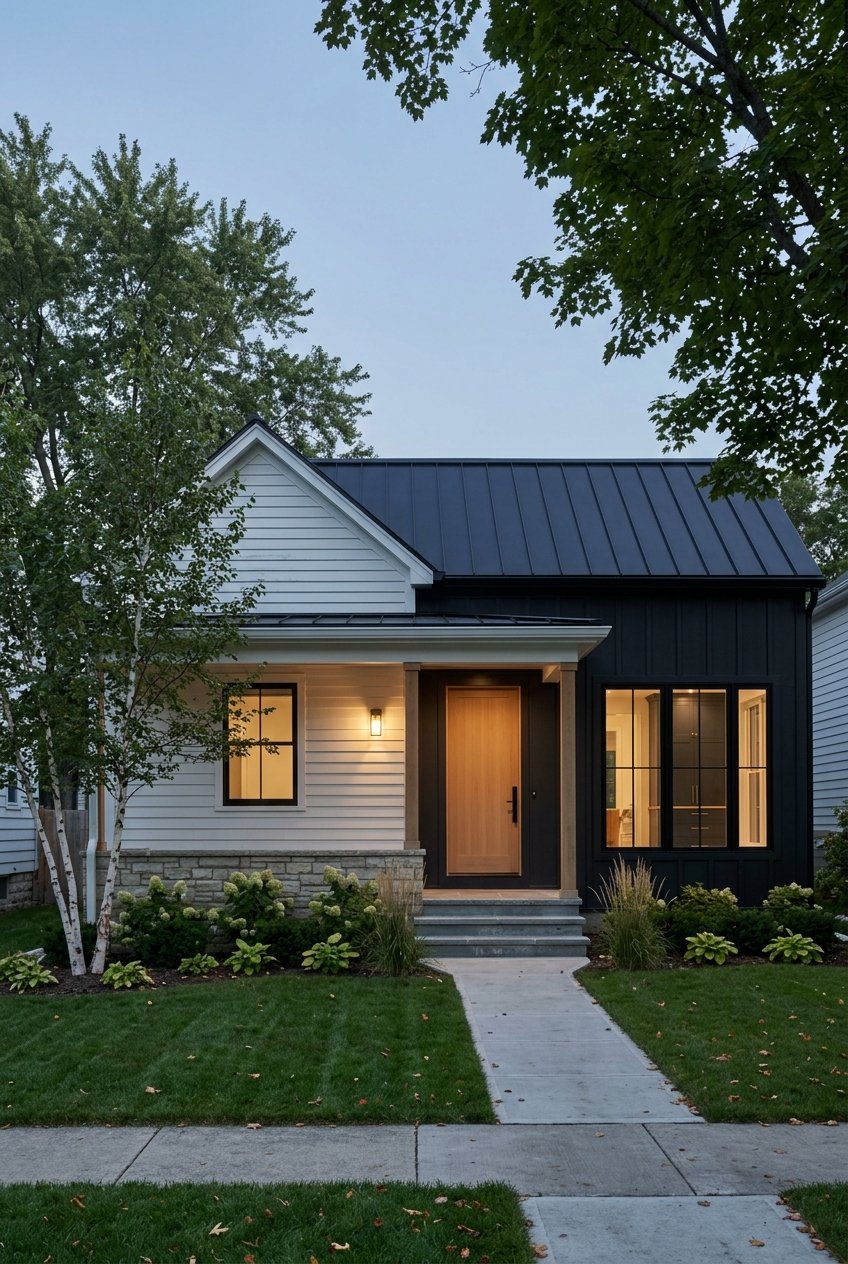
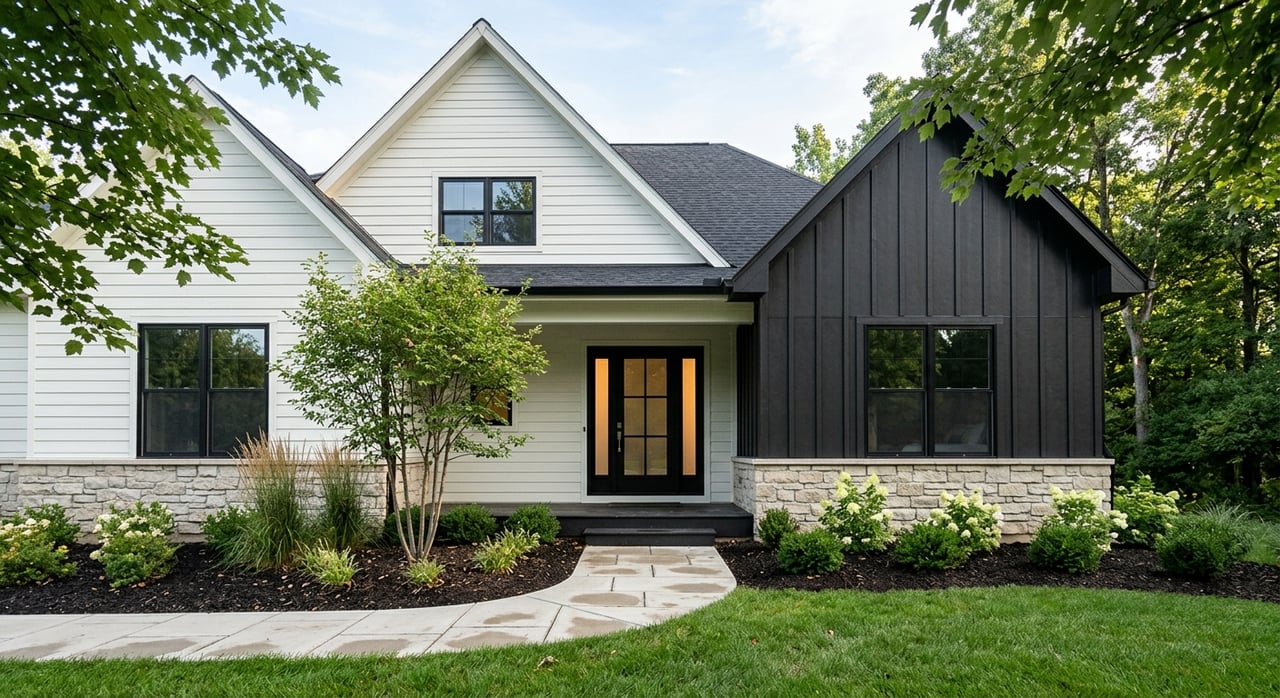
- Improve curb appeal with basic exterior cleanup
These steps help buyers focus on the home itself, not on deferred maintenance or distractions. In a competitive market, that can make a real difference.
Historic-area homes may need extra care
Stillwater’s historic character is part of its appeal. The city notes that local historic districts use area-specific design guidelines, and the Downtown Commercial Historic District has both local and National Register recognition.
If your home is in a historic area and you are considering visible exterior changes before listing, check local design guidelines first. That extra step can help you avoid making updates that conflict with district standards.
Market the lifestyle honestly
Stillwater offers a setting that many buyers recognize right away. Historic downtown, the St. Croix River Valley, scenic views, and recreational access all contribute to the city’s appeal.
When those features are relevant to your property, they should absolutely be part of your marketing story. But the key is accuracy. You want to highlight real property features and real location benefits, not overstate what a specific home offers.
Features that may resonate with buyers
If they truly apply to your home, marketing can emphasize:
- River views
- Access to downtown amenities
- Historic streetscape or architectural character
- Nearby recreation and scenic surroundings
- Walkability to local destinations where appropriate
This kind of positioning helps buyers picture daily life in the home. It also fits how many people think about Stillwater as a place, not just as a point on a map.
Be ready for showings right away
Because Stillwater homes are often going pending or selling in roughly 25 to 29 days, the first week or two on market can carry a lot of weight. That means showing management should be part of your strategy, not an afterthought.
The more available your home is for early showings, the more likely you are to capture active buyers while your listing still feels fresh.
Showing strategy that supports a strong launch
- Keep the home clean every day once listed
- Make short-notice showings as easy as possible
- Have a plan for pets, kids, and daily routines
- Reduce personal items so rooms feel open and neutral
- Stay flexible during the first two weeks
This can feel inconvenient for a short stretch. But that inconvenience often supports a faster, smoother sale.
Understand Minnesota disclosure rules
A strong sale is not just about photos and pricing. It is also about getting the paperwork right from the start.
Minnesota law requires a written seller’s disclosure before signing an agreement to sell or transfer residential real property. That disclosure must include material facts known to you that could adversely and significantly affect a buyer’s use or intended use of the property.
Disclosures many sellers need to prepare
Depending on the property, sellers may need to provide:
- Minnesota property disclosure
- Radon disclosure and the required Minnesota Department of Health publication
- Lead-based paint disclosure for homes built before 1978
- Well disclosure, if applicable
- Sewage treatment system disclosure, if applicable
Getting these items organized early can reduce stress once you are under contract. It also helps avoid delays caused by missing paperwork.
Plan for the closing timeline
Once you accept an offer, it is tempting to think the hard part is over. In reality, there is still a process to manage between contract and closing.
Minnesota Attorney General guidance recommends scheduling closing at least six weeks after the purchase agreement. That allows time for lender follow-up, title work, required documents, and any issues that come up along the way.
What can delay closing
Even a solid transaction can hit a few bumps. Common issues include:
- Low appraisal results
- Buyer loan approval problems
- Missing or incomplete paperwork
- Timing issues with title or document preparation
A well-organized sale plan helps you respond faster if any of these problems appear.
Seller closing costs to expect
Your net proceeds will usually be lower than the contract price because sellers often pay several closing-related costs. These can include:
- Commission
- Title work
- Recording fees
- Prorated taxes and assessments
- State deed tax
- Possible closing fee
Reviewing these costs in advance can help you set realistic expectations before you list.
A simple Stillwater selling timeline
If you want a cleaner, less stressful process, it helps to work backward from your ideal list date.
| Timeframe | Main focus |
|---|---|
| 4 to 6 weeks before listing | Pricing research, repair list, decluttering, disclosure prep |
| 2 to 4 weeks before listing | Cleaning, paint touch-ups, curb appeal, photography prep |
| Listing week | Launch, showings, early buyer feedback |
| First 1 to 2 weeks on market | Maximize access, monitor activity, evaluate response |
| Under contract to closing | Appraisal, title work, lender process, final documents |
This kind of timeline gives you room to make smart decisions instead of rushed ones.
Strategy matters more than luck
Selling a home in Stillwater is not just about picking a date and hoping for the best. It is about aligning timing, pricing, preparation, and paperwork so your home enters the market in the strongest possible position.
In an active market, the right strategy helps you take advantage of buyer demand. If you’re thinking about selling in Stillwater and want a plan built around current market conditions, prep priorities, and your timeline, connect with Kyle Babcock to schedule a free consultation.
FAQs
When is the best time to sell a home in Stillwater, MN?
- Spring is usually the strongest time to list, with April serving as a useful benchmark because Minnesota market activity tends to pick up in spring and early summer.
How long does it take to prepare a Stillwater home for sale?
- Many sellers take about one month or less to get ready, but the right timeline depends on your home’s condition, your target launch date, and the amount of prep needed.
What should I do before listing my Stillwater house?
- Focus on practical improvements like cleaning, decluttering, fresh paint, small repairs, carpet care, and curb appeal so the home feels well-maintained and move-in ready.
How fast are homes selling in Stillwater right now?
- Recent market reports suggest homes are going pending or selling in about 25 to 29 days on average, though results vary by property, pricing, and presentation.
What disclosures are required when selling a home in Minnesota?
- Sellers typically need a Minnesota property disclosure, plus radon disclosure, lead-based paint disclosure for pre-1978 homes, and well or septic-related disclosures when applicable.
Should I update the exterior of a historic Stillwater home before selling?
- If your property is in a historic area, check the city’s design guidelines before making visible exterior changes so your updates align with local standards.